
Investing in an industrial shot blasting machine is a critical decision for manufacturers aiming to improve surface preparation quality, productivity, and long-term operational efficiency. With India’s manufacturing sector expanding across foundries, automotive components, steel fabrication, infrastructure, and heavy engineering, the demand for reliable and high-performance shot blasting solutions has increased significantly. However, with multiple machine types, configurations, and suppliers available, buyers must follow a structured checklist to ensure they select the right equipment for their application.
This comprehensive buyer checklist outlines the technical, operational, and commercial factors that must be evaluated before purchasing an industrial shot blasting machine in India.
1. Define Your Application Clearly
The first step in buying the right machine is understanding what you need to blast.
Evaluate:
Type of components (castings, forgings, fabricated parts, plates, pipes)
Part size, weight, and geometry
Batch size or continuous production
Degree of surface cleaning required (light rust removal, heavy scale removal, surface profiling)
Different applications demand different machines. For example, bulk castings suit tumble type machines, while structural steel and plates require roller conveyor or hanger type machines.
Also Check - Shot Blasting Machine Manufacturers, Shot Blasting Machine Price in India, Shot Blasting Machine Manufacturers in India, Shot Blasting Machine Price
2. Choose the Right Type of Shot Blasting Machine
India’s industrial market offers multiple machine types. Selecting the right one directly impacts performance and cost efficiency.
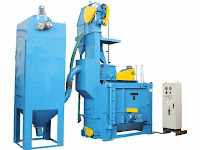
Tumble Type Shot Blasting Machine
Best for bulk components like fasteners, small castings, and forged parts. Offers complete surface coverage through continuous tumbling.
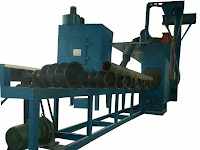
Roller Conveyor Shot Blasting Machine
Ideal for plates, beams, profiles, and fabricated structures. Suitable for high-volume and continuous production lines.
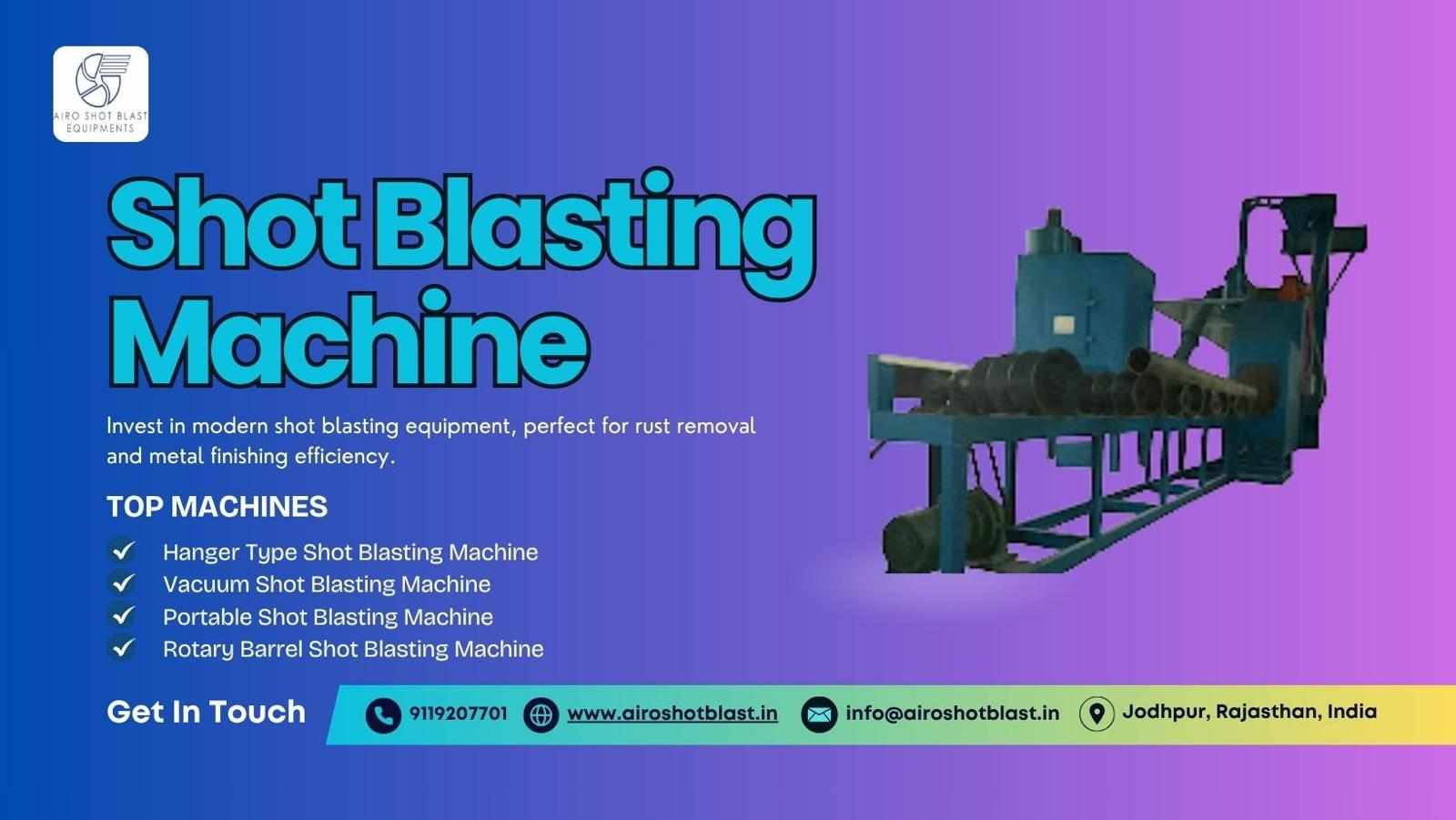
Hanger / Hook Type Shot Blasting Machine
Designed for large, heavy, or irregularly shaped components that require 360-degree blasting.
Table Type Shot Blasting Machine
Used for flat or heavy parts where controlled blasting is essential.
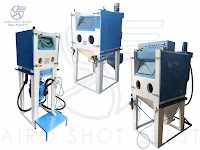
Portable Shot Blasting Machine
Best for on-site blasting, maintenance jobs, and large immovable structures.
Website -




3. Assess Machine Capacity and Throughput
Always match machine capacity with current and future production needs.
Checklist points:
Maximum part weight handling
Hourly or batch throughput
Blast chamber dimensions
Number of blast wheels
Under-sized machines create bottlenecks, while oversized machines increase unnecessary capital and operating costs.
4. Evaluate Blast Wheel Technology
The blast wheel is the heart of any shot blasting machine.
Key aspects to check:
Blast wheel diameter and RPM
Throw rate (kg/min)
Blade material and wear resistance
Ease of blade replacement
High-efficiency blast wheels deliver better surface cleaning using less energy and abrasive media, improving overall operating economics.
5. Abrasive Handling and Recovery System
A robust abrasive recycling system reduces operating cost and ensures consistent blasting quality.
Ensure the machine includes:
Spiral or screw conveyors
Bucket elevator
Air wash separator
Magnetic separators (for steel shots)
Efficient separation removes dust and broken media, extending abrasive life and protecting blast wheels from premature wear.
6. Dust Collector and Environmental Compliance
Dust control is no longer optional in Indian industrial facilities.
Buyer checklist:
Type of dust collector (cartridge or bag filter)
Filtration efficiency
Automatic pulse jet cleaning
Emission compliance standards
An integrated dust collection system ensures cleaner workplaces, protects operators, and supports compliance with environmental and safety regulations.
7. Automation and Control Systems
Modern industrial shot blasting machines increasingly rely on automation for consistency and productivity.
Look for:
PLC-based control panels
HMI touchscreens
Variable Frequency Drives (VFDs)
Cycle monitoring and fault diagnostics
Automation improves repeatability, reduces operator dependency, and minimizes process variation.
8. Power Consumption and Energy Efficiency
Energy cost is a major operational expense.
Before buying, verify:
Motor efficiency class (IE2 / IE3 / IE4)
Power requirement per blast wheel
Energy optimization features
Energy-efficient machines may have a slightly higher initial cost but deliver significant savings over their service life.
9. Machine Build Quality and Durability
Industrial shot blasting machines must withstand continuous abrasive impact.
Check:
Chamber lining material (manganese steel, rubber, or wear plates)
Thickness of blast cabinet walls
Structural rigidity and weld quality
Heavy-duty construction directly influences machine lifespan and maintenance frequency.
10. Maintenance and Spare Parts Availability
Downtime can be expensive.
Buyer checklist:
Availability of wear parts (blades, liners, seals)
Ease of maintenance access
Local service and technical support
Preventive maintenance documentation
Choosing a manufacturer with strong after-sales support in India ensures faster service response and reduced downtime.
11. Safety Features
Industrial safety is a non-negotiable factor.
Ensure the machine includes:
Door safety interlocks
Emergency stop systems
Noise reduction enclosures
Operator protection mechanisms
Proper safety design reduces accidents and supports long-term workforce well-being.
12. Customization Capabilities
Every manufacturing process is different. A good supplier should offer:
Custom blast chamber sizes
Adjustable blast wheel positioning
Special fixtures or hangers
Integration with upstream or downstream equipment
Customization ensures the machine aligns perfectly with your production workflow.
13. Supplier Reputation and Industry Experience
When buying industrial equipment, the supplier matters as much as the machine.
Evaluate:
Years of manufacturing experience
Industry references and installations
Engineering and design capabilities
Compliance with Indian and international standards
Established Indian manufacturers such as Airo Shot Blast Equipments, Ambica Enterprises, and Shot Blaster are known for application-specific solutions and local service support.
14. Pricing and Total Cost of Ownership
Do not evaluate price alone. Consider total cost of ownership (TCO).
Include:
Initial machine price
Installation and commissioning
Power and abrasive consumption
Maintenance and spare parts cost
A lower-priced machine may result in higher long-term expenses if efficiency and durability are compromised.
15. Warranty, Training, and Documentation
Finally, confirm:
Warranty coverage on major components
Operator and maintenance training
Complete technical documentation
Electrical and mechanical drawings
Proper training and documentation ensure smooth operation from day one.
Summary:
Purchasing an industrial shot blasting machine for sale in India is a long-term strategic investment. Following a detailed buyer checklist ensures the selected machine delivers consistent surface quality, operational efficiency, safety compliance, and cost control. By carefully evaluating application needs, machine design, energy efficiency, supplier credibility, and lifecycle costs, manufacturers can secure equipment that supports both current production goals and future growth.
A well-chosen shot blasting machine is not just a surface preparation tool — it is a productivity asset that strengthens manufacturing quality, competitiveness, and profitability.

Write a comment ...